What Safety Systems Does a Waterpark Actually Need?
Depth transitions, non-slip surrounds, lifeguard sightlines and drainage belong in the design from day one. A planning guide for developers and operators.
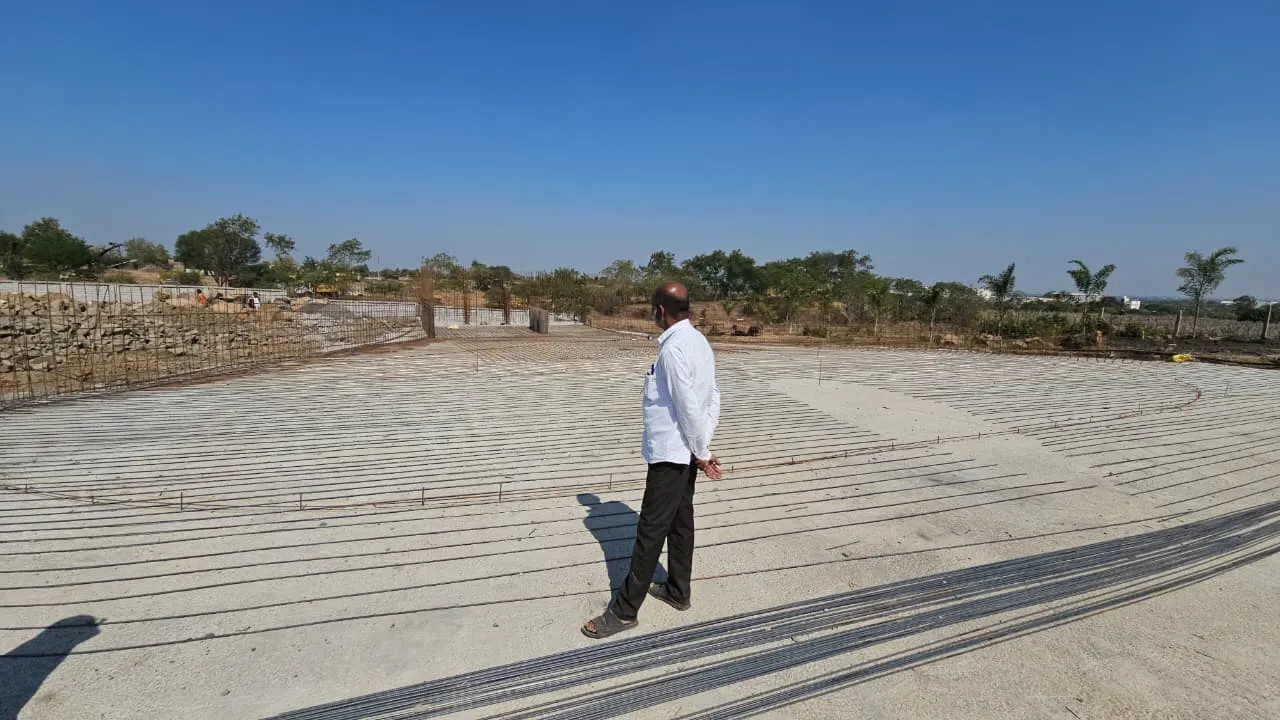
A public waterpark isn’t a big private pool. It has to move and treat far more water, far faster — and it has to keep a lot of people safe while it does. The important point for anyone planning one is this: safety features are built into the layout at design stage, not added afterwards.
Depth transitions
How depth changes across a pool — where it’s shallow, where it steps or slopes deeper — is a layout decision. Getting it right means visitors always know where the depth is changing, and it separates areas for children from areas for confident swimmers.
Non-slip surrounds
Wet feet, wet stone and tile are a constant. The surround finishes around every pool, landing area and ride exit need to be specified as non-slip from the start, because a surface that looks right can be treacherous when wet.
Lifeguard sightlines
A lifeguard can only protect what they can see. Positions, sightlines and clear views across each attraction pool are planned into the layout — where a slide tower meets a landing pool, and around play structures where visibility is easily blocked.
Clear depth signage
Signage is part of the safety system, not decoration. It has to be clear, consistent and in the right places, which is easiest to achieve when it is planned with the pool geometry.
Drainage, plant-room access and documentation
Behind the visible features sit the ones operators depend on:
- Pool-surround drainage, so water doesn’t collect where people walk.
- Plant-room access that lets staff service filtration and pumps safely.
- The documentation an operating licence requires, planned as part of the same build.
Water treatment is a safety system too
Filtration and circulation are sized to bather load and turnover-rate norms, with balance tanks and backwash recovery designed in from the start, and every attraction pool on its own hydraulic circuit. Under-treated water is a health issue, not just a comfort one.
Building it in phases
Large parks are usually built in phases, so an operator can open a first zone while later attractions are still under construction — which makes it more important that safety and services are planned for the whole park up front.
Real projects
PBJ Infra built the completed, operating Anandvan Water Park in Ahilyanagar, and is currently building a second family water park at Latur. Ride structures are built to the ride manufacturer’s structural specifications and integrated with PBJ’s own works.
Learn more about waterpark construction and pool filtration systems.
Planning a waterpark? Talk to PBJ about a waterpark project →
Related work
Waterpark Construction
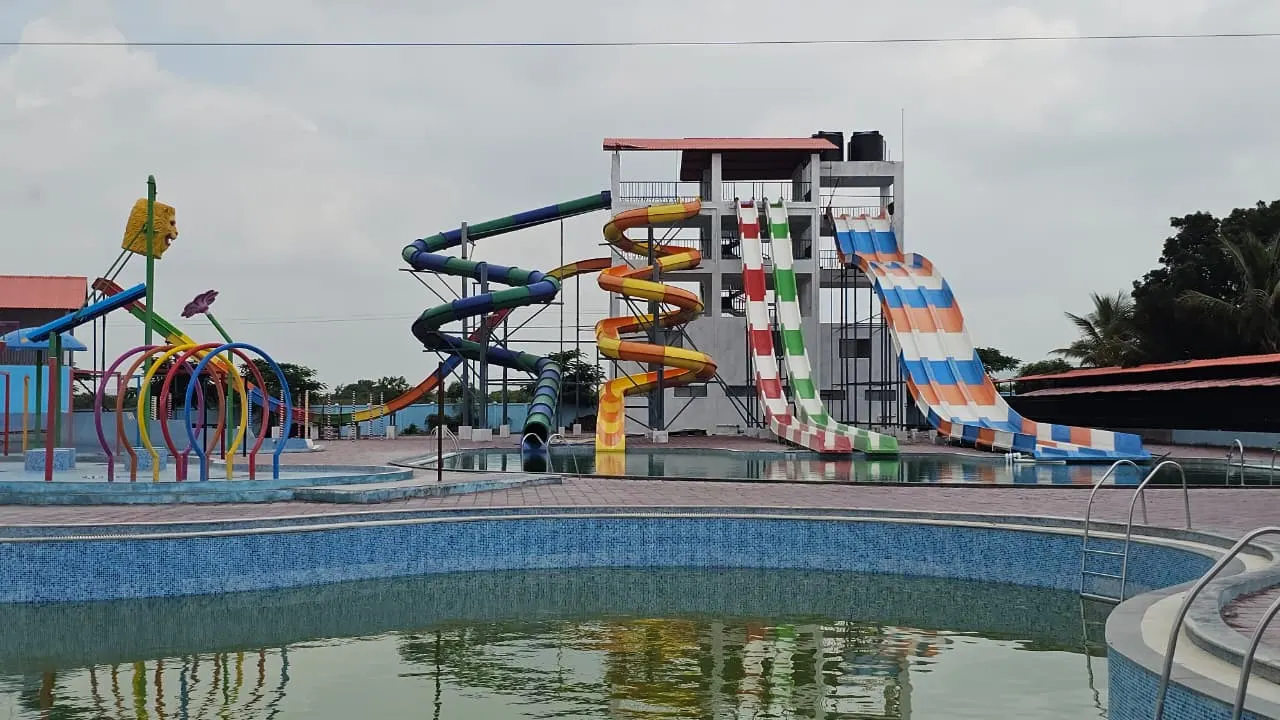
Family waterpark construction — slides and attractions, wave and activity pools, circulation and filtration plant, and the lifeguard-supported safety systems a public leisure facility needs.
View Service →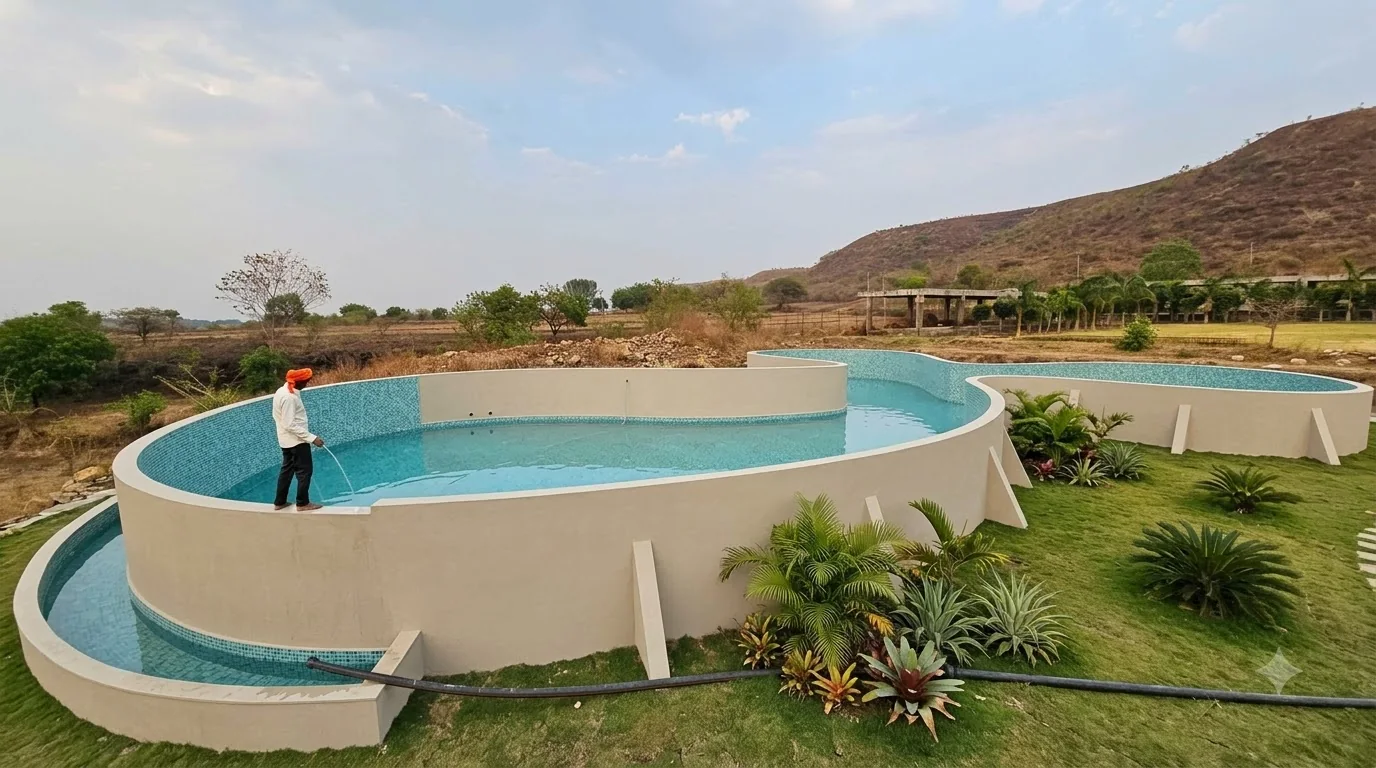
Pool Filtration Systems
Circulation and filtration plant for swimming pools — pump, filter and dosing sizing, plant-room layout, installation and commissioning, designed in with the pool rather than added afterwards.
View Service →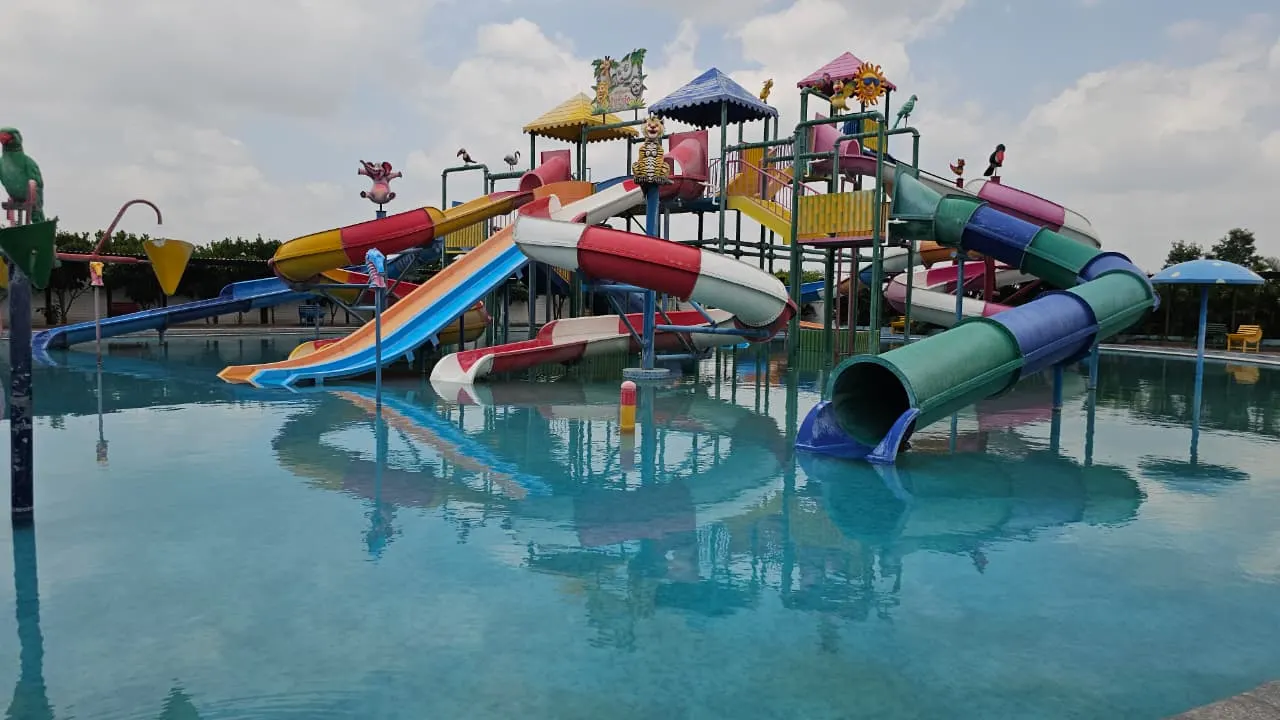
Anandvan Water Park
Sarola Baddi, Ahilyanagar, Maharashtra View Project →