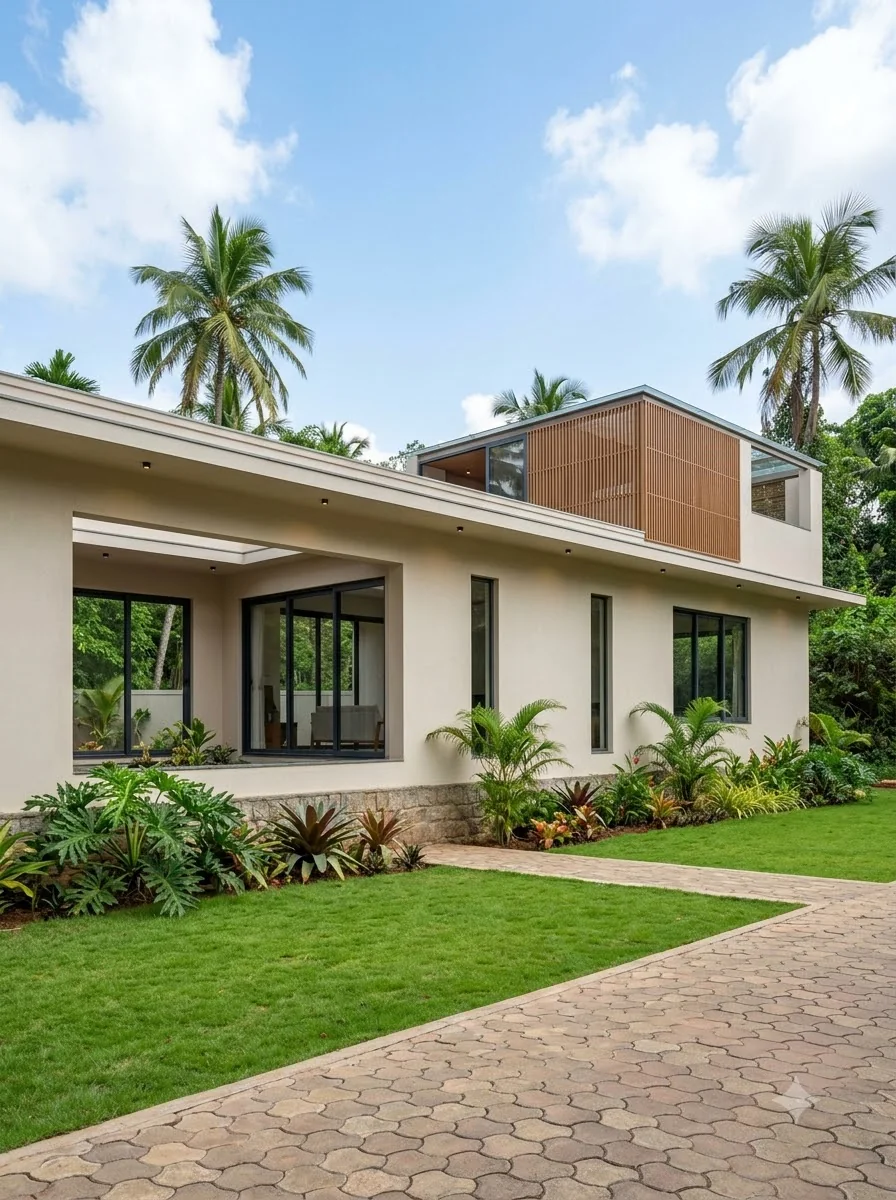
Building a Farmhouse: What to Plan Before the House
On a rural plot, water, access, sewage and power decide more about a farmhouse than the floor plan does. What to settle first, and why.
Most people planning a farmhouse start with the house: the verandah, the courtyard, the view from the living room. That part matters. But on agricultural land, the plot is half the project — and the decisions that most affect cost, schedule and day-to-day comfort are made before the house is drawn.
1. Water
In a city, water arrives. On a farm plot, you have to find it, store it and manage it.
- Borewell yield should be known before committing to a large pool, lawn or orchard.
- Storage — overhead and underground tanks — has to cover dry-season demand, not just an average day.
- Rainwater harvesting is worth planning into the roofs and grading from the start rather than adding later.
Size water against how the house will actually be used: weekend occupancy, events, irrigation and pool top-up are very different loads.
2. Access
A long unpaved approach that is fine in April may be impassable in July. The access road carries heavy construction vehicles first, then family cars for years afterwards, so it is worth building once to take both. It also decides how easily materials reach the site — which shows up directly in the build schedule.
3. Sewage on site
Most farmhouses are not on a sewer line. A septic or packaged treatment system has to be sized for the real number of occupants — including guests — and placed well clear of the borewell. Getting this position right is much easier on paper than after the house is built.
4. Power
Some plots have a nearby supply; others need a new connection, a long cable run, or backup generation. Electrical distribution should be planned for everything the property will eventually have — pumps, pool plant, outdoor lighting, staff quarters — not just the main house.
5. The house that sits empty
Many farmhouses are occupied only part of the week. That changes the detailing: security, low-maintenance finishes, drainage that copes without anyone clearing it, and systems that can be shut down and restarted easily.
Then the house — and everything around it
Once the site works, the main residence, any guest or staff structures, the pool and the landscaping follow. Building all of it with one team matters more on a rural plot than anywhere else, because bringing separate contractors to a remote site is slow and expensive, and gaps between them are hard to manage from a distance.
Where PBJ fits
PBJ Infra builds farmhouses end-to-end — infrastructure, residence, swimming pool and landscaping — starting with land development on the plot. Clients who live elsewhere get regular progress updates, and structural work carries a 5-year warranty. Read more about farmhouse construction.
Planning a farmhouse? Talk to PBJ about your plot →
Related work
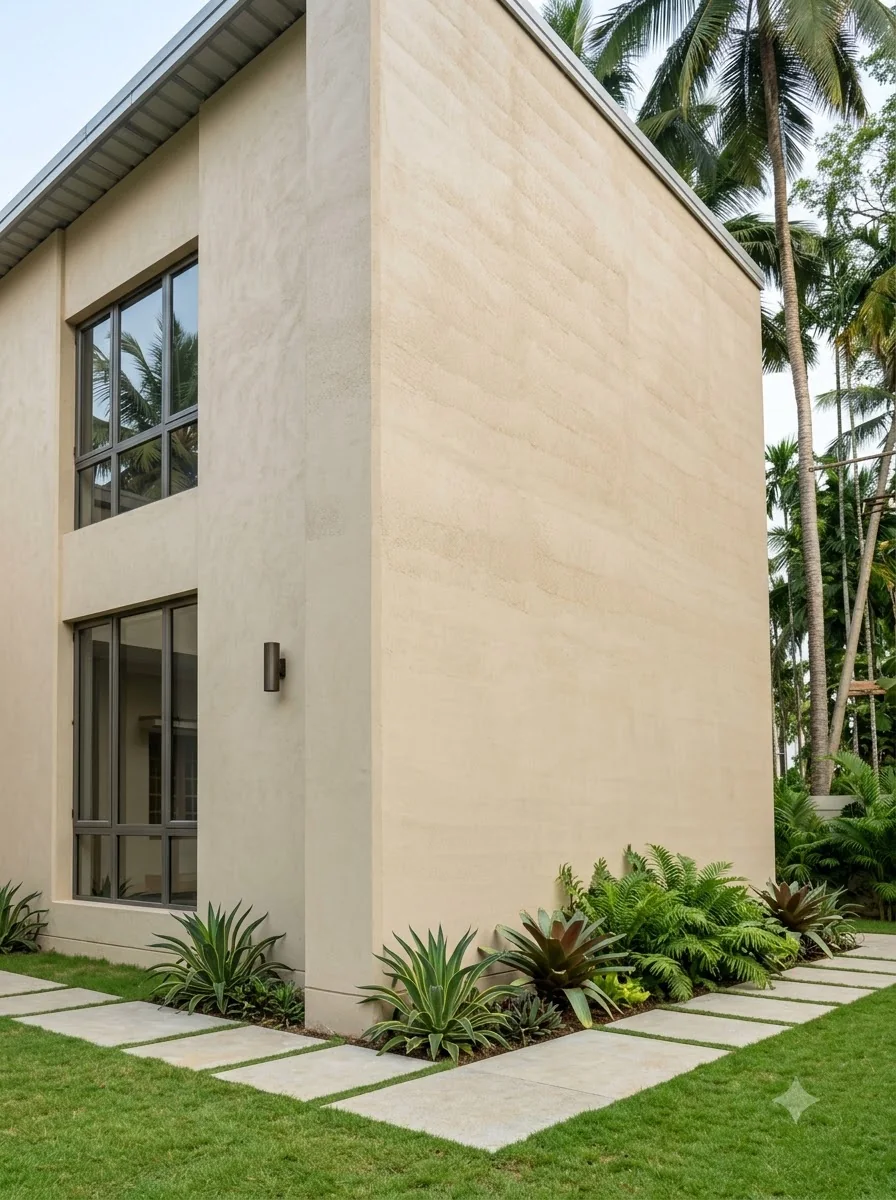
Farmhouse Construction
Custom farmhouse construction on agricultural and weekend-home land — main residence, guest and staff quarters, pool and landscaping, water and power infrastructure, built end-to-end.
View Service →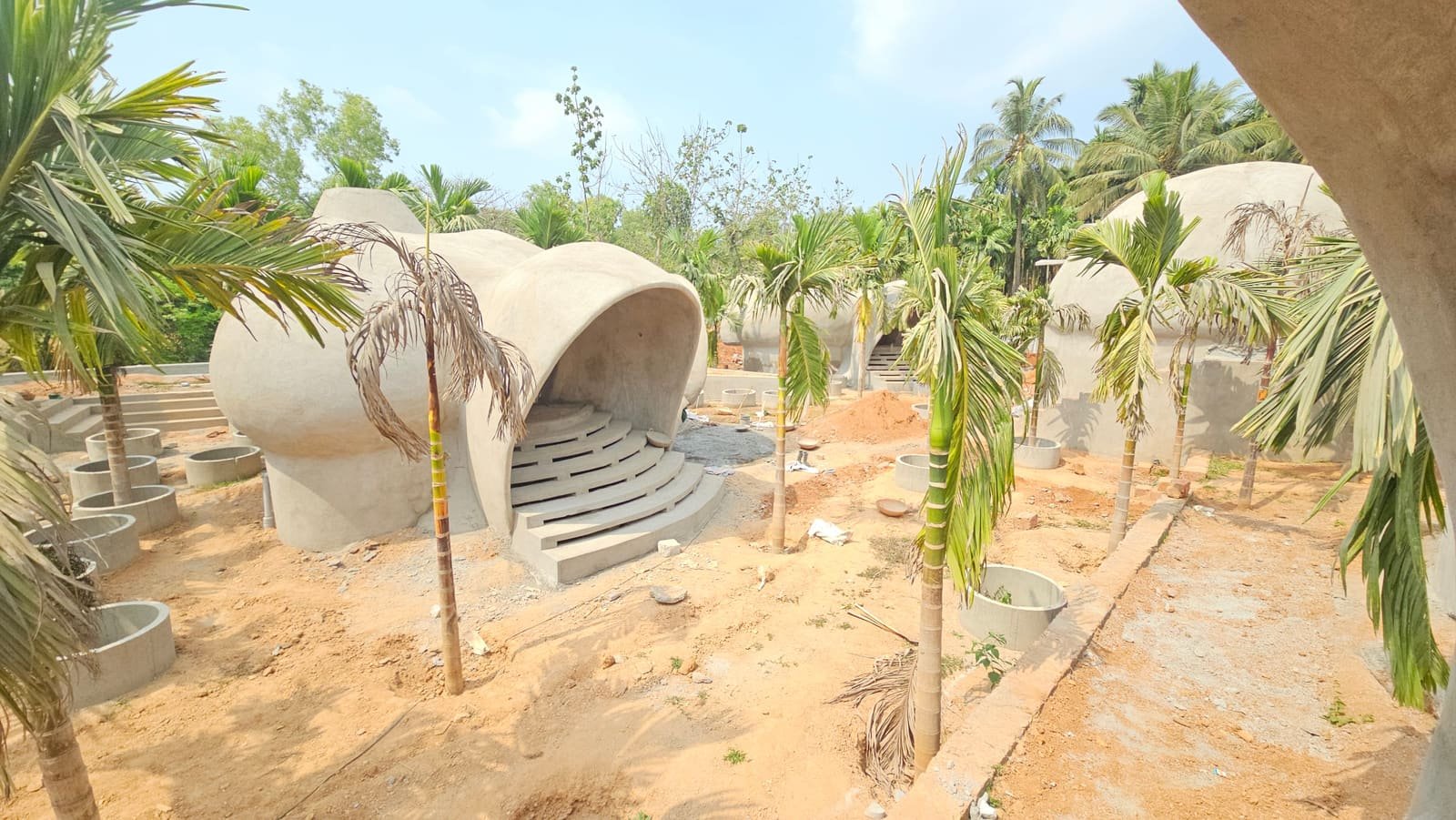
Land Development
Turning raw land into a buildable site — survey and clearing, grading and levelling, access roads, drainage, water supply, sewage and utility infrastructure ahead of construction.
View Service →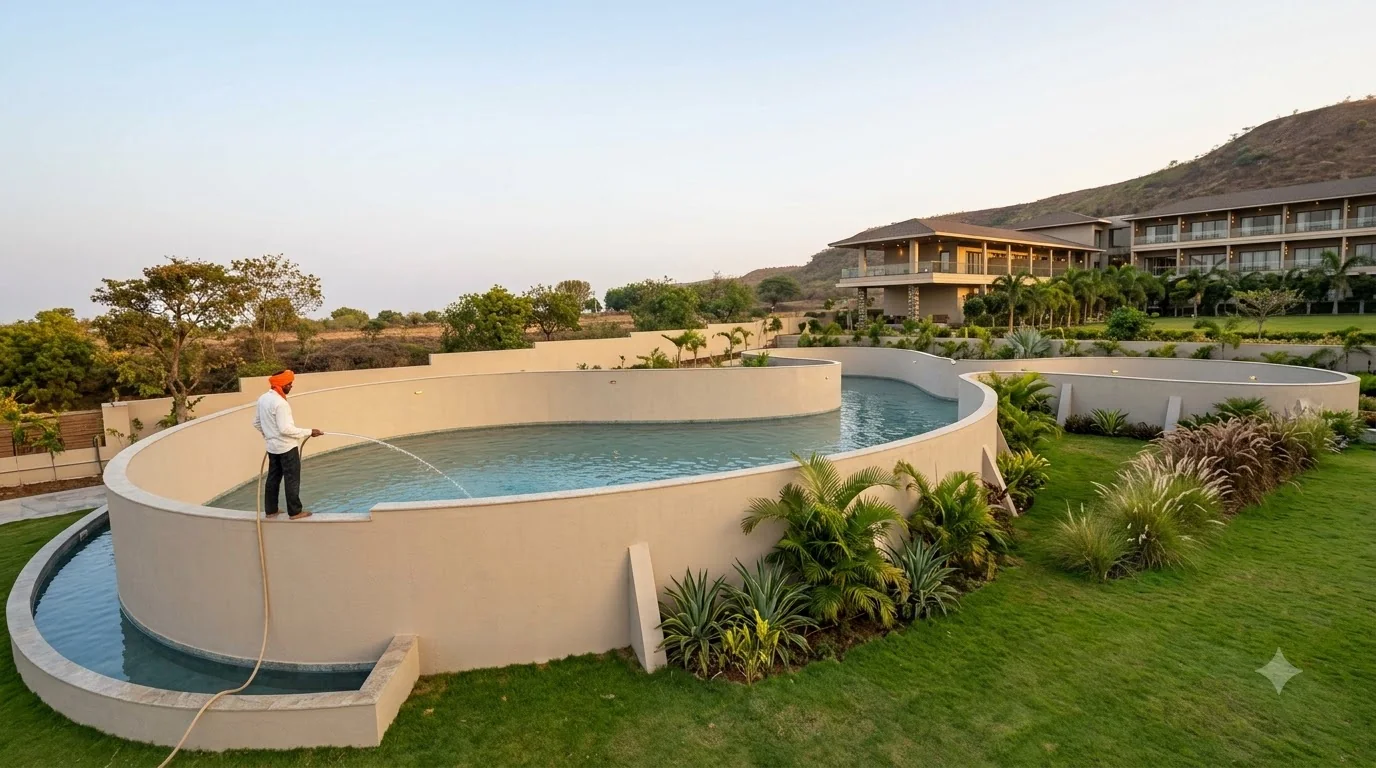
Swimming Pool Construction
Infinity, glass-wall, indoor and residential pools — engineered, built and finished in-house by PBJ Infra, with advanced filtration and a 5-year structural warranty.
View Service →